
+49 174 2038115
+49 174 2038115
Lean Construction brings structure to the chaos of the jobsite. It’s a hands-on system to plan better, act faster, and avoid waste without endless meetings or top-down micromanagement.
I apply tools like the Last Planner System to make crews accountable, deadlines realistic, and progress measurable.
This is the foundation. Every project starts with a full process breakdown, visualized and scheduled. From civil works to handover milestones, everything is aligned with lead times, logistics, and site realities.
It’s not just a timeline, it’s also a financial tool. Every delivery and major task is mapped to help stakeholders see, decide, and stay ahead.
Download Process Analysis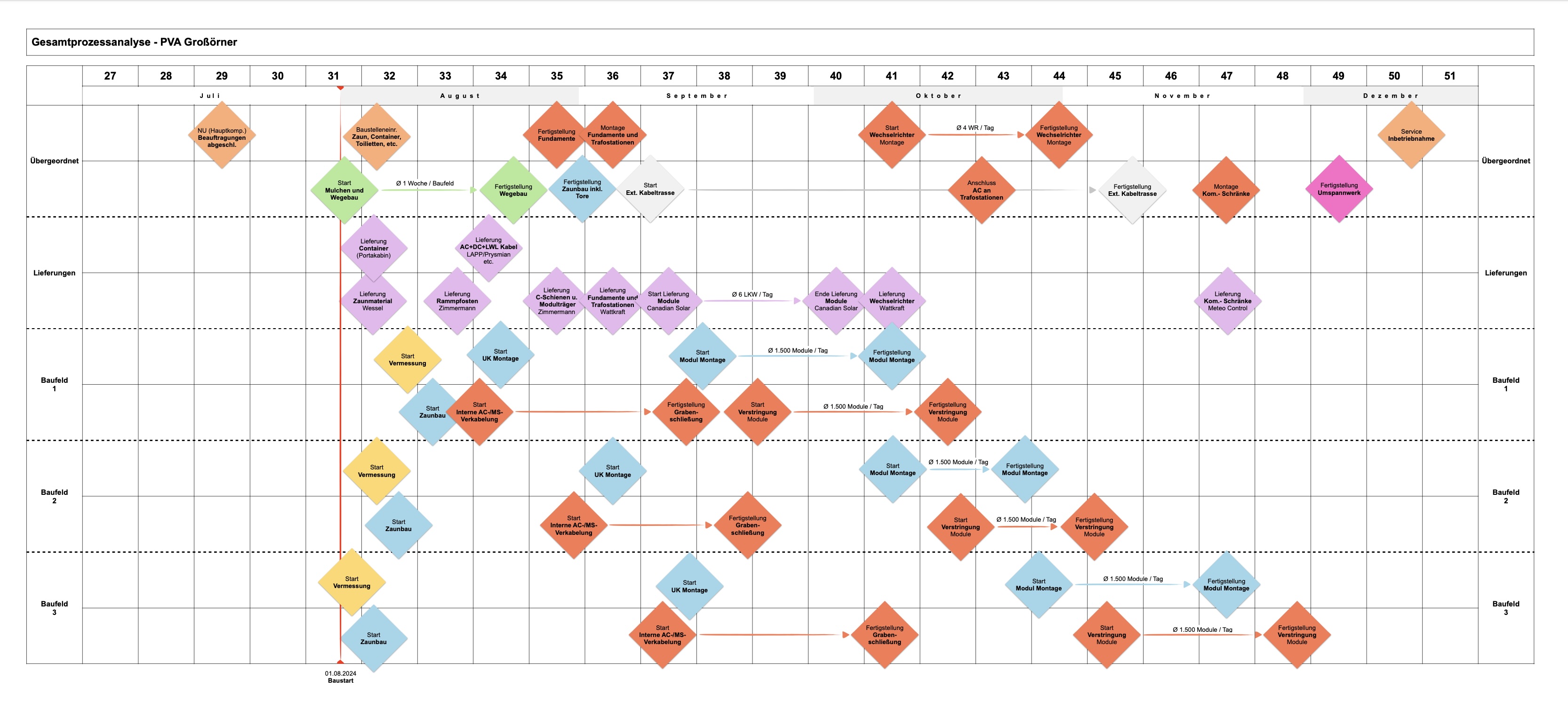
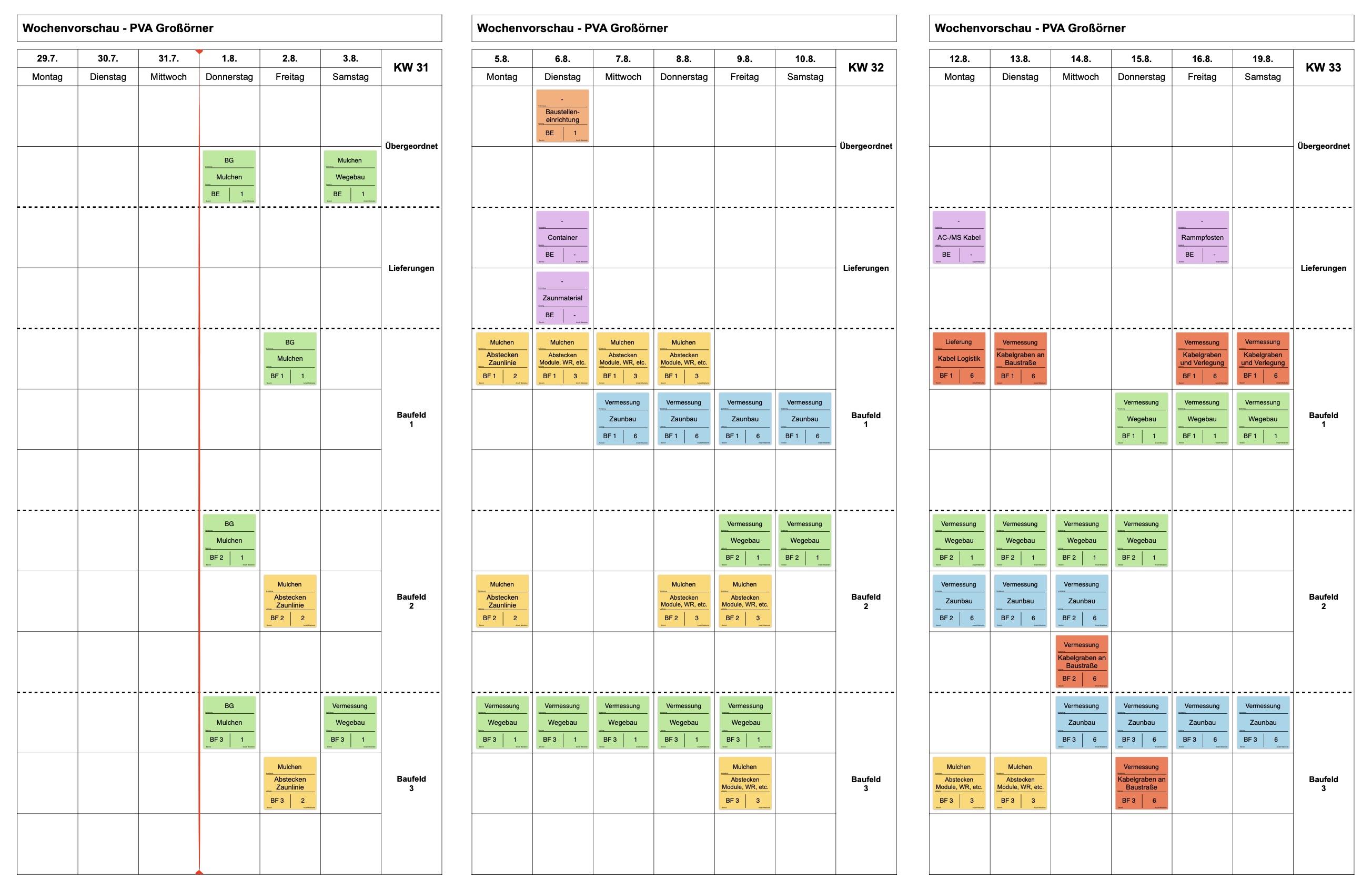
Every week, the site team meets for a structured 6-week lookahead. We define goals, identify constraints, and confirm manpower — together.
It’s called the Last Planner System because the foremen — the actual planners on-site — drive the schedule. They decide what’s realistic, we review it as a group, and turn it into clear, reliable actions.
This keeps everyone aligned and builds trust between trades.
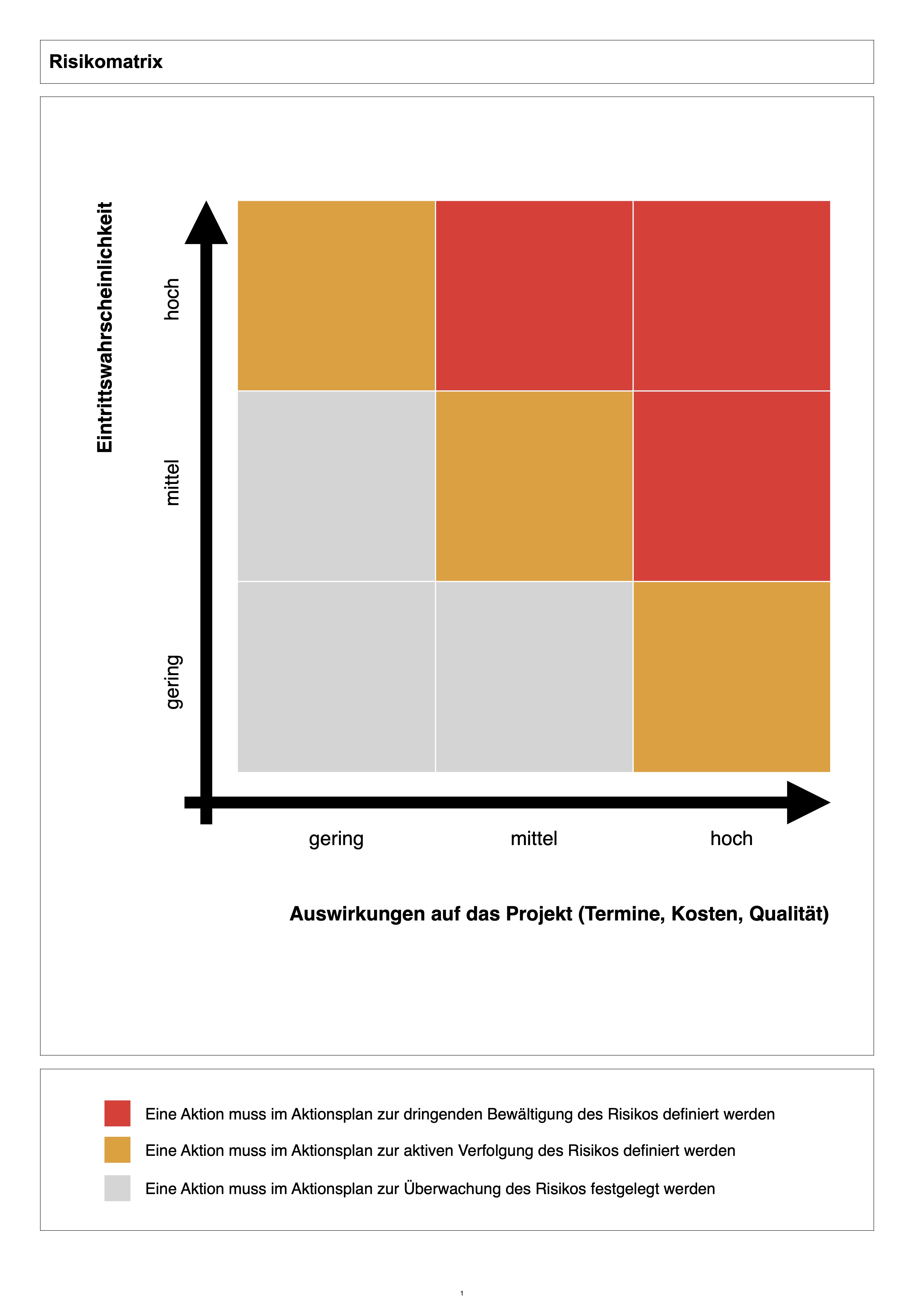
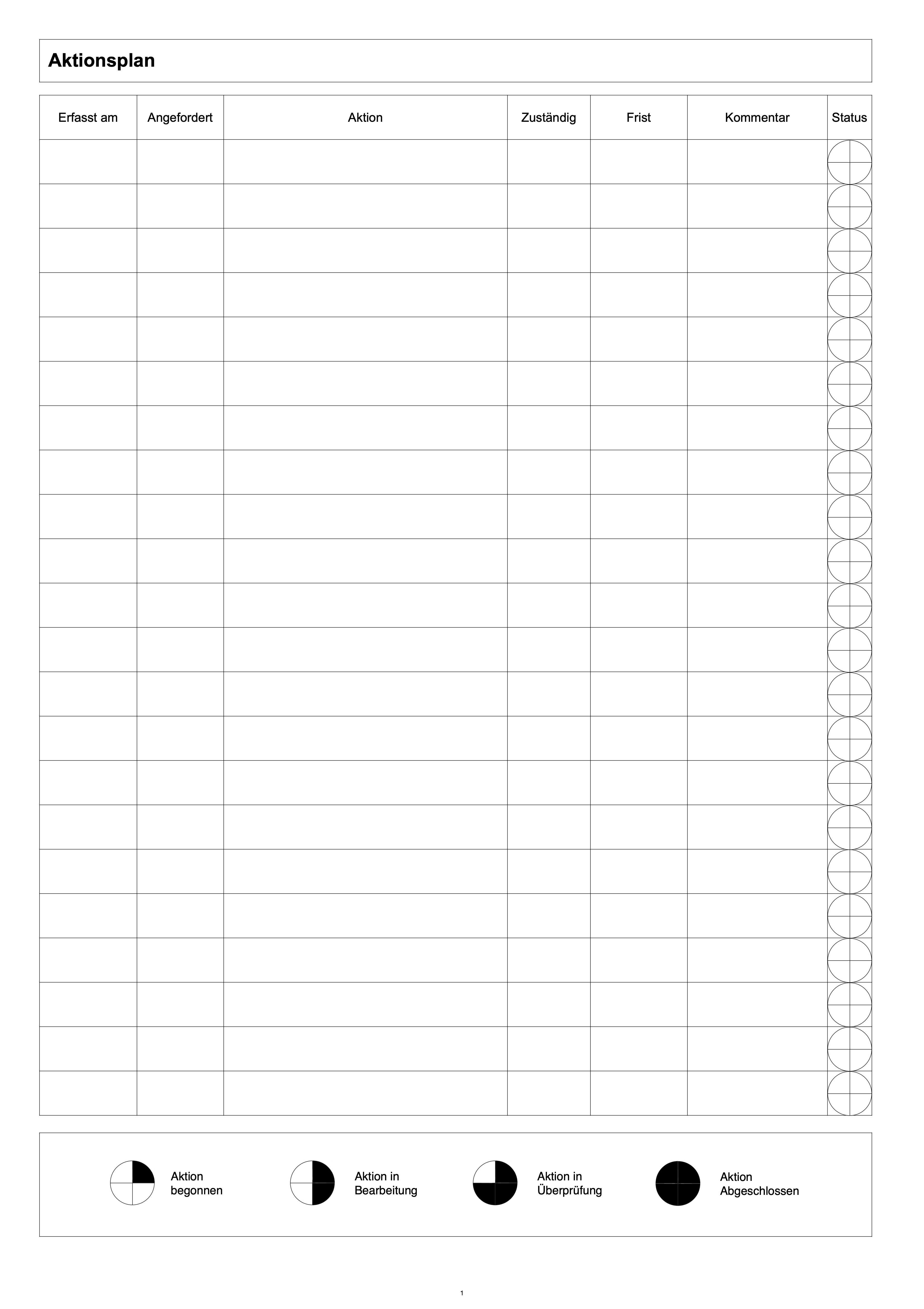
Every week, we assess project risks, delays, site conditions, trade interference and define actions accordingly. Even without clear risks, we take the opportunity to assign clear tasks and responsibilities.
The Risk Matrix helps us visualize impact and urgency. The Action Plan turns that into concrete tasks with owners and deadlines, keeping the team proactive, not reactive.
Turn plans into execution, reduce chaos, and build trust across the board. LEAN isn’t a theory here, it’s how we deliver.